

Sometimes, even when you’re eating well, moving your body, and doing all the “right” things, the sides of your waist just… stay the same. Those soft bulges at the flanks can feel like they’re glued on. Love handle surgery is designed to eliminate excess fat from the waist area and contour the flanks. It’s not magic. It’s not weight loss. It’s simply a focused way of dealing with a stubborn spot that millions of people struggle with.
This guide walks through what love handle surgery actually involves, based on standard guidelines. It offers a straightforward explanation grounded in routine clinical practice.
So… What Is Love Handle Surgery?
Most clinics describe it pretty simply:
“Love handle liposuction specifically targets and removes fat from the sides of the abdomen to create a more defined waistline.”
That’s really the heart of it. The procedure focuses on removing unwanted fat that hangs out around the sides of your torso. Doctors use small incisions and a thin tube to remove fat deposits that don’t respond to diet or exercise. Think of it as spot-cleaning instead of trying to wash the entire garment.
Some surgeons may use tools like ultrasound-assisted liposuction to soften the fat before removing it. This is just a way to make the suction smoother and more controlled.
Who Actually Qualifies for This?
Well, not everyone. And that’s a good thing. You want a safe procedure with predictable results, so clinics generally look for:
- Someone close to their goal weight
- Someone with decent skin elasticity
- Someone in stable health
- Someone whose flank fat is the main issue
Love handles are simply excess fat pockets at the sides of the waist, that don’t respond to diet and exercise. These love handles affect both men and women equally. In other words, it’s biology doing its biology thing, it’s not laziness or failure to exercise.
If you’re hoping the surgery replaces weight loss, it won’t be able to. But if the rest of your body leans out except the sides of your waist? You’re likely a good candidate for love handles surgery.
How Does the Procedure Actually Work?
Think very measured, and articulate, as opposed to messy. Surgeons don’t just suck everything out. Instead, they map the waist while you’re standing. They look at how your body curves naturally. Only then do they make those small incisions to guide the cannula under the skin.
With gentle movements, the surgeon removes excessive fat until the flanks look smoother in liposuction procedures. After the surgery, you might experience moderate swelling, and you would have to wear compression garments for weeks. But you can have a slow return to activity
If your surgeon uses ultrasound assisted liposuction, it just helps break up the fat before removal. It’s more about finesse than force.
What Body Areas Can Be Treated Together With Love Handles?
Many people combine flank liposuction with nearby zones, especially when they want a more balanced shape. And if we are being honest, you can actually have a liposuction procedure pn any areas of the body where you have deposits of fat.
Popular combinations include:
- lower abdomen
- upper abdomen
- lower back
- hips and outer thighs
You don’t have to pair procedures, but doing so often makes the waistline look more naturally contoured.
What Kind of Results Can You Expect?
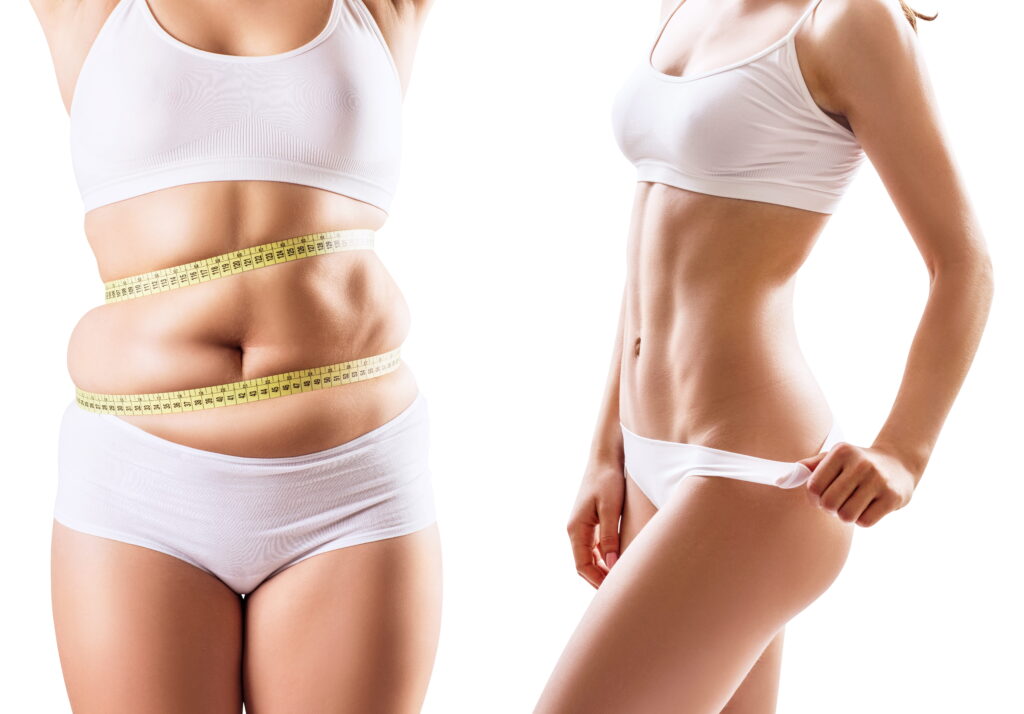
Love handle liposuction can significantly remove fat cells around the waist. That doesn’t mean you’ll drop several clothing sizes overnight. It means the bulge at the sides quiets down. Clothes sit differently. Movement feels a little less tight. The waistline looks more like the shape you’ve been working toward.
Important points:
- The removed fat doesn’t return
- If someone gains weight, remaining fat cells can still expand
- Final results appear gradually as swelling goes down
The best indicator tends to be the mirror, not the scale. You will see your change in inches, not kilos.
Recovery: What’s It Really Like?
Recovery times are rarely dramatic. People usually describe it as annoying more than painful. Most recovery outline looks like this:
- first few days: swelling, soreness, and pressure
- week 1: back to light daily activities
- week 2-3: swelling improves noticeably
- week 4-6: normal routine slowly resumes
You’ll wear compression garments to keep swelling down and help your skin heal in the new shape. Most patients say the garments feel snug but supportive, like a reminder to be gentle with yourself.
Is It Permanent?
The short answer is, yes. The suctioned fat cells are gone. Love handle surgery eliminates stubborn fat deposits and the removed fat cells do not return.
However, if your eating or activity habits shift and you gain weight, the remaining fat cells (in any area of your body) can still grow.
So yes, the liposuction surgery is long-term. But lifestyle still matters. Surgery gives the new silhouette; daily habits maintain it.
What About Risks?
Every surgery has risks, even small ones.
Common ones include:
- uneven swelling
- bruising
- small contour irregularities
- temporary numbness
Rare risks include infection or fluid buildup. Choosing board certified plastic surgeons massively reduces complications. This is very crucial, because skill matters in shaping, not just removing fat.
How Long Until the Final Look?
Swelling goes down in waves. You usually see the first version of your result after a few weeks. But the final look, which is smooth, settled, balanced can take a couple of months.
Some patients also add liposuction 360 later on if they want even more symmetry around the waist. liposuction 360 removes fat around the waist and love handles for a more uniform contour.
Is Choosing Love Handle Surgery Considered “Cheating”?
A lot of people quietly wonder if choosing surgery for love handles is “cheating,” or if it means they didn’t try hard enough. It’s a myth that exercise always fixes this area. The truth is, the flanks are one of the most genetically stubborn places to lose fat, even when someone is in great shape. Some folks run, lift, swim, and still have that same little shelf at the sides. Surgery doesn’t erase the work you’ve done; it just steps in where biology won’t budge. It’s not a shortcut. It’s a solution for a problem that healthy habits alone can’t always solve.
Final Thoughts
To summarize: Love handle surgery is a focused procedure that uses small incisions, measured techniques, and modern tools to remove love handles in a safe, structured way. It doesn’t replace health habits. However, it complements them when your body holds fat in predictable, frustrating places.
Most people choose this procedure not to look like someone else, but to finally look like themselves, without that one spot interrupting everything else they’re working toward.
Frequently Asked Questions
1. How long does love handle surgery take?
Most procedures run between one and two hours. It depends on how much fat needs to be removed. The surgery is usually done as an outpatient procedure, so patients can go home the same day once they’re fully awake and stable.
2. Will my love handles come back after surgery?
The fat that’s removed is gone for good, but the remaining fat cells can still grow if you gain weight. A steady lifestyle including regular diet and exercise helps keep the results stable.
3. How soon can I return to normal activities?
Light activities are often fine after a few days. Most people return to work within a week. Exercise and heavier movement need a little more time, usually a few weeks.
4. Does the procedure leave visible scars?
The incisions are very small at just a few millimeters. The surgeons hide them wonderfully in natural skin folds whenever possible. Over time, these marks tend to fade and become hard to notice.
5. Does love handle liposuction hurt?
You’ll be numb during the procedure, and most people describe the recovery as soreness rather than sharp pain. It feels similar to muscle stiffness after a tough workout. Pain medication and compression garments help manage the early discomfort.